Exploring Rural Land and Farm Properties in Indiana
Indiana is often celebrated for its rich agricultural heritage and stunning rural landscapes. With vast fields, charming small towns, and a strong sense of community, it’s no wonder that many people are drawn to explore rural land and farm properties in this Midwestern state. Whether you are looking to invest in farmland, start a homestead, or simply enjoy the tranquility of rural living, Indiana offers a wealth of opportunities.
The Allure of Rural Living
Rural living in Indiana provides a unique lifestyle that many find appealing. The slower pace of life, combined with the natural beauty of the countryside, creates an environment that fosters relaxation and connection with nature. Here are some key reasons why rural living in Indiana is so attractive:
Affordability: Compared to urban areas, rural properties in Indiana are often more affordable. This allows buyers to get more land for their money, making it easier to invest in a larger property or a home with more space.
Community: Small towns in Indiana are known for their close-knit communities. Residents often know their neighbors and participate in local events, creating a strong sense of belonging.
Outdoor Activities: With numerous parks, lakes, and trails, rural Indiana offers plenty of opportunities for outdoor recreation. From hiking and fishing to farming and gardening, there’s something for everyone.
Types of Rural Properties Available
When exploring rural land and farm properties in Indiana, you’ll find a variety of options to suit different needs and preferences. Here are some common types of properties available:
Farmland
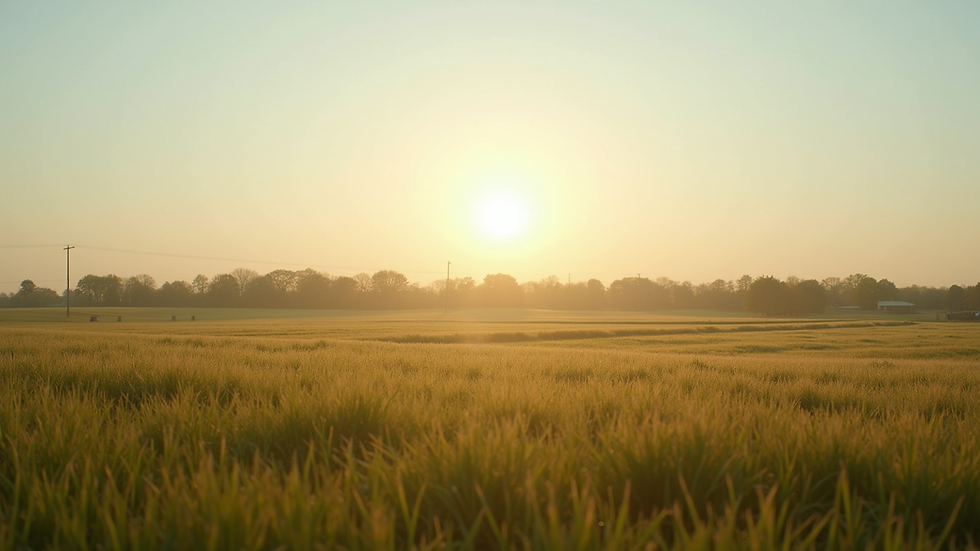
Farmland is a popular choice for those looking to engage in agricultural activities. Indiana is known for its fertile soil, making it ideal for growing crops such as corn, soybeans, and wheat. Many farms also raise livestock, including cattle, pigs, and chickens.
Homesteads
Homesteading is a growing trend where individuals or families seek to live self-sufficiently. This often involves growing their own food, raising animals, and utilizing renewable resources. Indiana has many properties suitable for homesteading, complete with ample land and existing structures.
Recreational Land
For those looking to enjoy the great outdoors, recreational land offers the perfect escape. These properties can be used for hunting, fishing, camping, or simply enjoying nature. Indiana’s diverse landscapes provide a variety of recreational opportunities, from wooded areas to open fields.
Vacant Land
If you’re interested in building your dream home or starting a new project, vacant land is an excellent option. Indiana has many parcels of land available for sale, ranging from small lots to larger tracts. This allows buyers to customize their living space according to their preferences.
Factors to Consider When Buying Rural Property
Purchasing rural land or a farm property in Indiana requires careful consideration. Here are some important factors to keep in mind:
Location
The location of the property is crucial. Consider proximity to essential services such as grocery stores, schools, and healthcare facilities. Additionally, think about the distance to major cities if you plan to commute for work or leisure.
Zoning Regulations
Understanding zoning regulations is vital when buying rural property. These regulations dictate how the land can be used, including restrictions on farming, building, and other activities. Be sure to research local zoning laws to ensure your plans align with them.
Water and Soil Quality
For agricultural properties, the quality of water and soil is paramount. Conduct soil tests to determine its fertility and suitability for farming. Access to water sources, such as wells or ponds, is also essential for irrigation and livestock.
Infrastructure
Evaluate the existing infrastructure on the property, including roads, utilities, and buildings. If you plan to farm, consider the condition of barns, silos, and other structures. Adequate access to roads is also important for transporting goods and accessing services.
Future Development
Consider the potential for future development in the area. As urban areas expand, rural properties may become more desirable, leading to increased property values. Research local development plans to understand how the area may change in the coming years.
Financing Your Rural Property Purchase
Financing a rural property can differ from traditional home loans. Here are some options to consider:
Conventional Loans
Many buyers opt for conventional loans, which are available through banks and credit unions. These loans typically require a down payment and have fixed or adjustable interest rates.
USDA Loans
The U.S. Department of Agriculture (USDA) offers loans specifically for rural properties. These loans often require no down payment and have lower interest rates, making them an attractive option for eligible buyers.
Farm Credit Services
Farm Credit Services provides loans tailored for agricultural properties. These loans can be used for purchasing land, equipment, and livestock, making them ideal for aspiring farmers.
Owner Financing
In some cases, sellers may offer owner financing, allowing buyers to make payments directly to the seller instead of a bank. This can be a flexible option for those who may not qualify for traditional financing.
The Process of Buying Rural Land
Buying rural land involves several steps. Here’s a general outline of the process:
Determine Your Budget: Assess your finances and determine how much you can afford to spend on a property.
Research Properties: Use online listings, local real estate agents, and community resources to find available properties that meet your criteria.
Visit Properties: Schedule visits to potential properties to assess their condition and suitability for your needs.
Conduct Due Diligence: Perform necessary inspections, including soil tests and surveys, to ensure the property meets your requirements.
Make an Offer: Once you find the right property, make a formal offer to the seller.
Secure Financing: Work with your lender to secure financing for the purchase.
Close the Deal: Finalize the purchase by signing the necessary documents and transferring ownership.
Living the Rural Life in Indiana
Once you’ve purchased your rural property, it’s time to embrace the rural lifestyle. Here are some tips for making the most of your new home:
Get Involved in the Community
Engaging with your local community is essential for building connections and feeling at home. Attend local events, join clubs, and participate in community projects to meet your neighbors and make new friends.
Explore Local Attractions
Indiana is home to numerous attractions, from state parks to historical sites. Take advantage of your rural location by exploring nearby attractions and enjoying outdoor activities.
Start a Garden or Farm
If you have the space, consider starting a garden or small farm. Growing your own food can be rewarding and provide a sustainable source of fresh produce.
Embrace the Outdoors
Take advantage of the natural beauty surrounding you. Spend time hiking, fishing, or simply enjoying the tranquility of your rural environment.
Conclusion
Exploring rural land and farm properties in Indiana opens up a world of possibilities for those seeking a simpler, more connected lifestyle. With its affordable properties, strong sense of community, and abundant outdoor activities, Indiana is an ideal place to call home. Whether you’re looking to invest in farmland, start a homestead, or simply enjoy the beauty of rural living, Indiana has something to offer everyone.
As you embark on your journey to find the perfect rural property, remember to consider your needs, research thoroughly, and embrace the opportunities that come with rural living. The peaceful life you’ve always dreamed of may be just a property away.
Comments